
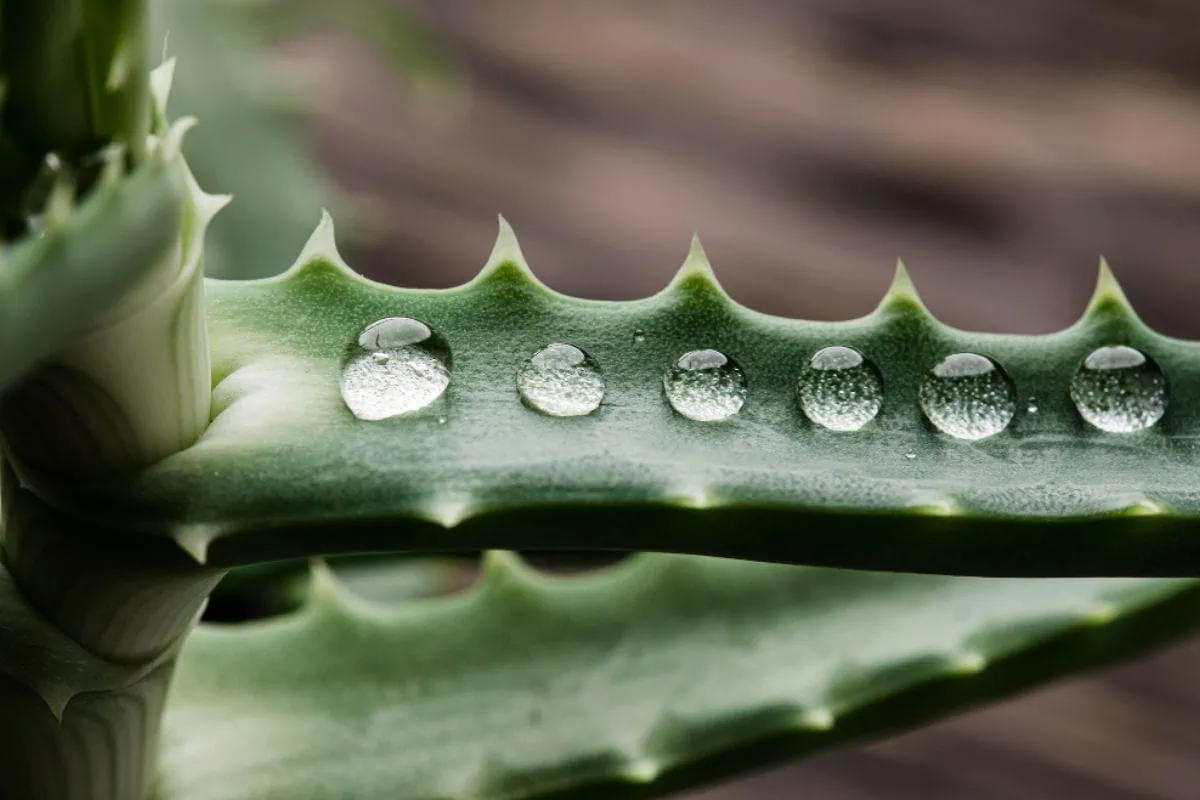
Aloe vera has long been recognized as one of the most effective and accessible natural remedies for improving scar appearance and supporting the skin’s natural healing process. Used for centuries across different cultures, this gel is valued not only for its soothing qualities but also for its ability to promote wound healing, reduce inflammation, and support damaged skin at a cellular level.
This article explores how aloe works on scars, why it is so widely used in scar treatment, and how proper application can help treat scars caused by acne, surgery, injuries, and wounds. From the biology of scar formation to experimental study findings, we’ll walk through the benefits, methods, and limitations of this versatile succulent plant.
Understanding scars and the healing process
Scars are the result of your body’s response to injury. When the skin is damaged—whether through acne, wounds, surgery, burns, or trauma—your body initiates a complex repair sequence to restore the dermis and rebuild the protective barrier.
During this process, collagen fibers are produced to close and strengthen the affected area. This repair tissue, known as scar tissue, differs from healthy skin in structure, elasticity, and pigmentation. As a result, these marks may appear raised, sunken, darker, lighter, or uneven in texture.
Scar formation is influenced by multiple factors, including:
- The depth and size of the wound
- The degree of inflammation during recovery
- Collagen production and fiber alignment
- Skin type, age, sun exposure, and infection risk
Supporting the natural healing process during this critical phase is essential to minimizing long-term scarring. This is where aloe vera plays a meaningful role in both prevention and improvement of existing marks.
What is aloe vera and why is it used for scars?
Aloe vera is a succulent plant known for its thick, fleshy leaves filled with a clear gel rich in nutrients. Traditionally used as a natural remedy for various skin conditions, it has become a standard treatment in both home care and clinical settings for treating scars and wounds.
The gel is composed mostly of water, but it also contains a powerful combination of bioactive compounds:
- Vitamins (A, C, E, and several B vitamins)
- Minerals such as zinc and magnesium
- Amino acids essential for skin repair
- Enzymes that support cellular renewal
- Fatty acids with anti inflammatory properties
- Polysaccharides and antioxidants
This unique composition explains why the plant is so effective when applied topically to scars and damaged skin. Each component plays a specific role in the recovery process, working synergistically to support tissue regeneration.
How aloe vera helps improve scar appearance
The effectiveness of aloe vera for scars lies in its ability to work on multiple levels of the healing process rather than addressing symptoms alone.
Anti inflammatory and soothing effects
Inflammation plays a central role in scar formation. Excessive or prolonged inflammatory responses increase the risk of thick, discolored, or painful scars. The anti inflammatory properties found in this plant help calm the affected area, reduce redness, and relieve irritation and pain.
By modulating the inflammatory response early in the recovery process, proper application can help prevent excessive tissue buildup and promote more normal healing patterns.
Support for collagen production
Balanced collagen production is essential for healthy healing. The gel stimulates collagen synthesis while helping organize these structural fibers more evenly, which can lead to smoother, less visible scar tissue.
Unlike treatments that simply add collagen to the surface, aloe vera works by encouraging your body’s own production mechanisms, resulting in better integration with surrounding tissue and improved long-term appearance.
Hydration and skin barrier repair
Hydrated skin heals more efficiently and with better cosmetic outcomes. Aloe vera gel helps hydrate the skin without clogging pores, supporting elasticity and preventing the dryness that can worsen scarring.
The polysaccharides in the gel form a protective layer over the wound, locking in moisture while still allowing the skin to breathe. This creates an optimal environment for epithelial cells to migrate and regenerate.
Protection against infections
Certain compounds in this plant help limit bacterial growth, reducing the risk of infections that can delay wound healing and worsen scar appearance. Clean wounds heal faster and more predictably, making infection prevention a key factor in minimizing visible scarring.
Aloe vera gel and wound healing
Wound healing is a staged biological process involving inflammation, tissue formation, and remodeling. Research has shown that topical application supports each of these phases through different mechanisms.
Experimental study data suggests that aloe vera gel can:
- Improve wound healing speed by up to 30% in some cases
- Reduce inflammation and itchiness throughout recovery
- Decrease scar tissue thickness and prevent hypertrophic formation
- Improve overall healing outcomes and patient satisfaction
By supporting epithelial regeneration and promoting proper collagen alignment, the gel helps your body heal more efficiently and with fewer long-term skin changes. The mucopolysaccharides present help bind moisture into the skin, while amino acids soften hardened tissue.
Applying aloe vera gel: how and when it works best
Proper application of aloe vera is essential to achieve real benefits. Technique and consistency matter as much as product quality.
How to apply aloe vera gel
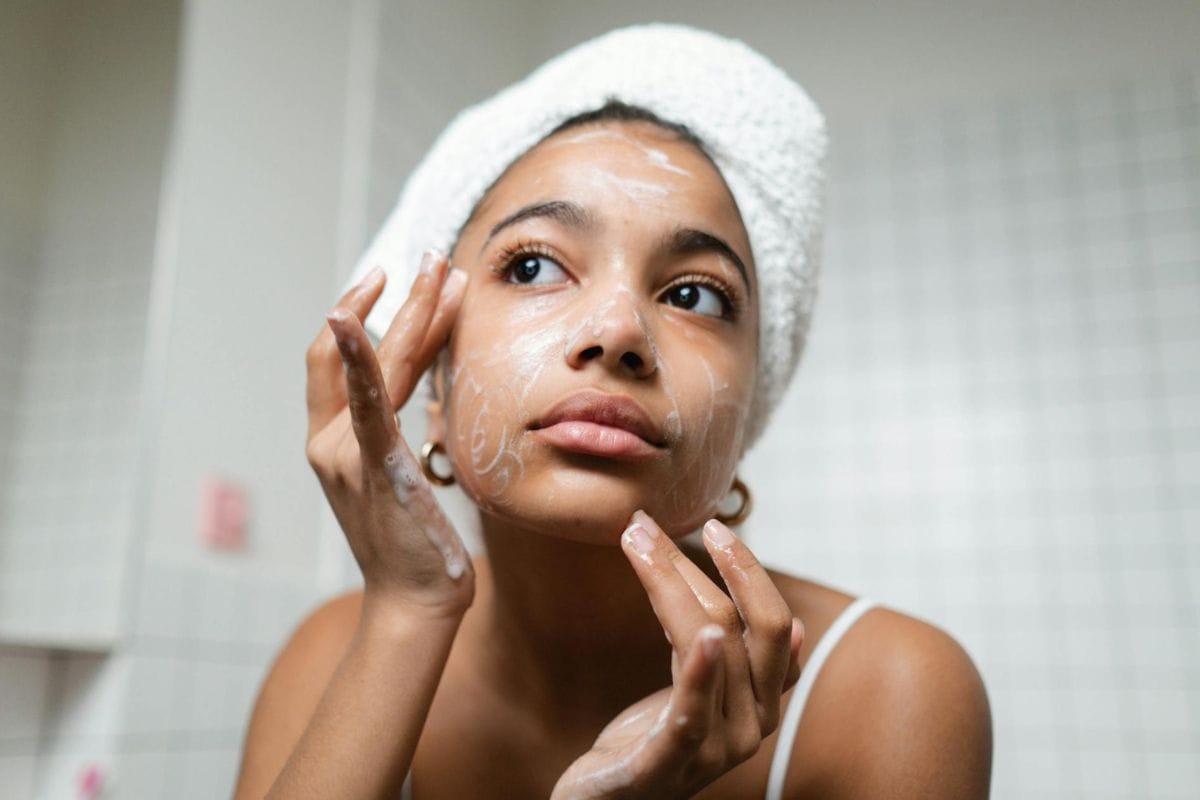
- Wash the wound or scar gently with mild soap and water
- Ensure the affected area is clean and completely dry
- Apply a thin layer of aloe vera gel directly to the skin
- Massage gently in circular motions until absorbed
- Repeat two to three times daily for optimal results
This topical application method allows the gel to penetrate the skin and support healing from the surface down. The gentle massage also increases blood flow to the area, which can further enhance recovery.
Aloe vera gel can be applied topically to:
- Surgical scars following medical procedures
- Acne scarring from inflammatory breakouts
- Minor wounds and burns
- Skin irritation caused by sun exposure or medical treatments
For best results, begin applying as soon as the wound has closed and there is no open tissue. Early intervention often leads to better long-term appearance.
Fresh aloe vera vs commercial products
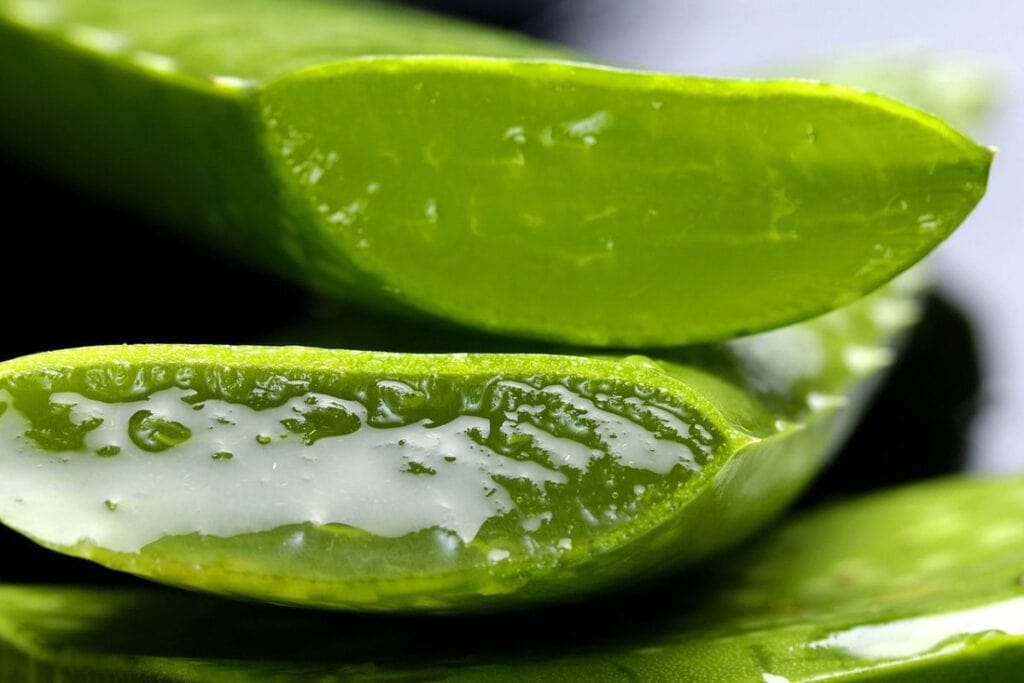
Fresh aloe vera gel extracted directly from the plant contains active enzymes and nutrients in their most natural and potent form. To use it:
- Cut a mature leaf from the plant
- Remove the green outer layer carefully
- Scoop out the clear gel with a clean spoon
- Apply gel directly to the scar
The fresh extract provides immediate benefits and contains no additives or preservatives that might irritate sensitive skin. However, it must be used within a few days as it lacks preservatives.
Commercial aloe vera products can also be effective if they are pure and free from alcohol, artificial fragrances, or harsh preservatives. Look for high aloe concentration—ideally 95% or higher—and minimal additives. Reading ingredient lists carefully ensures you’re getting a quality product that will deliver results.
Aloe vera for acne scarring
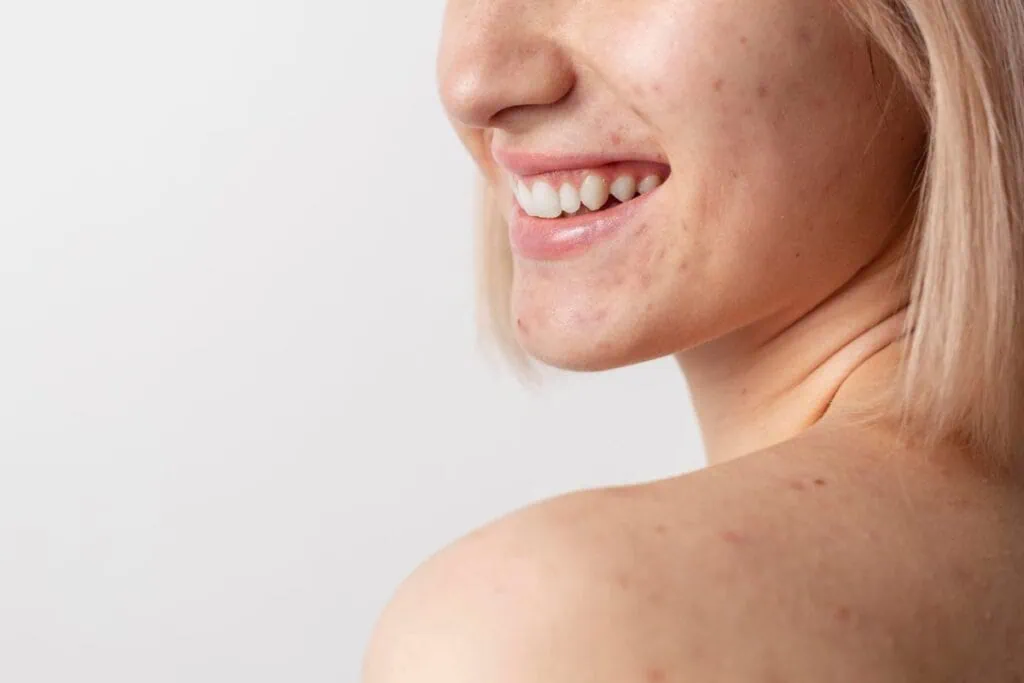
Acne scars are among the most common reasons people turn to natural treatments. Inflammatory acne damages the dermis and disrupts normal healing, leading to pigmentation changes and uneven texture that can persist for years.
The gel helps acne scarring through several mechanisms:
- Reducing inflammation linked to active breakouts
- Supporting balanced collagen production during repair
- Improving skin hydration and barrier function
- Helping fade pigmentation over time
Consistent application can gradually improve scar appearance and even out skin tone, especially when combined with sunscreen to prevent sun-related discoloration. Post-inflammatory hyperpigmentation, a common concern after acne, responds particularly well to the vitamins and antioxidants present in the plant.
For atrophic (depressed) acne scars, the collagen-stimulating properties may help fill in shallow depressions over several months of regular use, though deeper ice-pick scars typically require professional treatment.
Combining aloe vera with other treatments
This succulent plant is often used alongside other natural treatments to enhance results and address multiple aspects of scar healing simultaneously.
Aloe vera and vitamin E
Vitamin E provides antioxidant protection and supports skin repair by neutralizing free radicals that can damage healing tissue. While its effectiveness alone is debated, combining vitamin E with aloe vera may improve hydration and healing in some patients.
You can mix a few drops of vitamin E oil with the gel before application, or use products that already contain both ingredients. This combination is particularly popular for surgical scars and stretch marks.
Aloe vera and coconut oil
Coconut oil contains fatty acids that help hydrate the skin and strengthen the skin barrier. When used sparingly with aloe vera, it can support dry or healing scars by providing additional moisturizing benefits.
Apply the gel first and allow it to absorb, then seal it in with a small amount of coconut oil. This layering technique prevents the oil from blocking penetration while adding extra nourishment.
Aloe vera during radiation therapy
Patients undergoing radiation therapy often experience significant skin irritation, inflammation, and dryness. The gel is commonly used to provide relief, soothe damaged skin, and support recovery when approved by medical professionals.
Many oncology departments now recommend it as part of standard skin care protocols during treatment, as it helps maintain skin integrity and reduces discomfort without interfering with radiation effectiveness.
Scientific evidence and experimental study findings
Several experimental study reviews and clinical observations have examined the effectiveness of this plant in wound healing and scar treatment, providing scientific backing for its traditional use.
A study published in the Annals of Plastic Surgery reported that aloe vera improved wound healing outcomes, reduced pain and itchiness, and supported healthier tissue regeneration compared to control groups. The research showed measurable improvements in epithelialization rates and reduced inflammation markers.
While more large-scale studies are needed to establish definitive protocols, existing evidence supports its use as a beneficial complementary treatment. Research continues to identify specific mechanisms, including the role of acemannan (a key polysaccharide) in stimulating immune function and fibroblast activity.
Risks, side effects, and precautions
Although aloe vera is generally safe for most people, some individuals may experience irritation or allergic reactions. A patch test is recommended before regular use, especially if you have sensitive skin or known plant allergies.
Important precautions include:
- Do not apply to infected wounds without medical advice
- Always wash the skin before application
- Use sunscreen on healing scars to prevent pigmentation changes
- Consult a healthcare professional if irritation persists or worsens
Avoid using the yellow latex layer found just under the leaf’s outer skin, as it can cause irritation and digestive issues if absorbed. Only the clear inner gel should be used for topical application.
Aloe vera compared to other natural remedies
Many natural methods claim to treat scars, but evidence varies widely in quality and consistency. Understanding these differences helps you make informed choices about your scar care routine.
Honey may support wound healing through antibacterial properties but shows limited impact on improving existing scar appearance. Apple cider vinegar and lemon juice can increase irritation and sun sensitivity, potentially worsening pigmentation issues.
Oils such as rosehip or frankincense show promise in preliminary research but require more rigorous studies to confirm their effectiveness. Some natural remedies lack sufficient evidence entirely or may even cause harm when used improperly.
Among natural remedies, aloe vera remains one of the most versatile and well-supported options for treating scars, with centuries of traditional use backed by modern scientific investigation.
Choosing the right aloe vera product
When selecting a product for scar care and wound healing, quality is essential. Because the gel is applied directly to damaged skin and healing scar tissue, its formulation can significantly influence results.
A suitable product for treating scars should meet several key criteria:
- High aloe vera content, ensuring that the plant itself provides the active benefits linked to improved wound healing and scar appearance
- No alcohol or synthetic fragrances, which can cause irritation and interfere with the natural healing process
- A transparent ingredient list, allowing the gel to remain the primary active component rather than being diluted by fillers
- A texture suitable for topical application, so it can be applied in a thin layer and absorbed easily without leaving residue on the affected area
For this type of use, Alomar Pure Aloe Vera Gel fits these criteria well, offering a simple formulation designed for sensitive or scarred skin. Choosing a high-quality product ensures better absorption and helps the treatment work effectively as part of a consistent scar care routine.
Look for products that are cold-pressed or minimally processed, as heat can destroy some of the beneficial enzymes and vitamins that make this plant so effective for skin repair.
Final thoughts: is aloe vera effective for scars?
Aloe vera is not a miracle cure, but it is a powerful natural remedy that supports your body’s healing process through multiple proven mechanisms. By reducing inflammation, supporting collagen production, hydrating the skin, and improving wound healing, consistent use can significantly improve scar appearance over time.
When applied consistently and correctly, this gel offers a safe, affordable, and natural way to care for scars caused by acne, wounds, surgery, and injuries—helping your skin heal more smoothly and comfortably. Results vary based on scar type, age, and individual skin characteristics, but most people see noticeable improvements within 8-12 weeks of regular application.
Remember that patience is key. Scar remodeling is a gradual process that continues for months after the initial injury. Combining topical application with other healthy skin practices—including sun protection, adequate hydration, and a nutrient-rich diet—will give you the best possible outcomes in your journey toward smoother, healthier-looking skin.

