
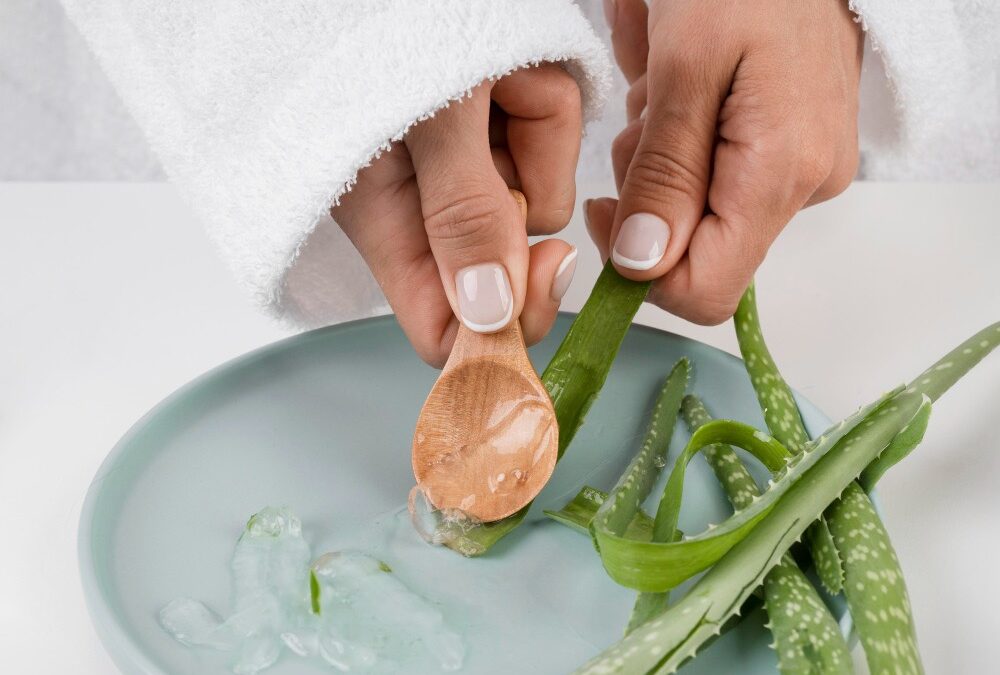
When it comes to natural skincare solutions, few ingredients have garnered as much attention as the humble aloe vera plant. Known for its clear gel packed full of beneficial compounds, aloe vera has been used for centuries to treat various skin conditions and provide deep hydration.
But is aloe vera a good moisturiser for modern skincare needs? This comprehensive guide explores the science behind aloe vera’s moisturising properties and how it can benefit different skin types, helping you decide if it deserves a place in your skincare routine.
Understanding the aloe vera plant and its moisturising properties
The aloe vera plant, scientifically named Aloe barbadensis, belongs to the Asphodelaceae family and originates from Northern Africa. What makes this succulent plant so remarkable for skincare is the clear gel found inside its leaves. This gel contains over 75 active compounds, including vitamins, minerals, amino acids, and enzymes, that work synergistically to deliver exceptional moisturising benefits.
Aloe vera gel acts as a natural humectant, meaning it helps the skin retain moisture by attracting and locking in hydration. Unlike heavy creams that can clog pores and leave a greasy residue, aloe vera gel absorbs quickly and easily into the skin.
This lightweight texture makes it suitable for various skin types, including oily skin, without contributing to excess oiliness or pore blockage. By forming a protective barrier, aloe vera gel helps keep the skin hydrated and smooth throughout the day.
Multiple benefits of aloe vera for overall skin health
Research suggests that aloe vera offers numerous advantages beyond basic moisturising. The plant is rich in vitamins A, C, and E, which serve as powerful antioxidants protecting the skin from environmental damage caused by free radicals. These vitamins, combined with naturally occurring amino acids, support healthy skin function and promote collagen production. Collagen is essential for maintaining skin elasticity and reducing the appearance of fine lines and wrinkles, contributing to aloe vera’s noted anti-aging effects.
Aloe vera’s anti-inflammatory properties make it particularly beneficial for inflamed skin or sensitive skin conditions. The gel soothes irritation, reduces redness, and provides relief from discomfort while delivering essential moisture to keep skin hydrated. These soothing effects are especially helpful for those dealing with delicate skin, eczema, or other inflammatory skin conditions.
How aloe vera benefits different skin types
One of the most remarkable qualities of aloe vera is its versatility across different skin types. For individuals with oily skin types, aloe vera gel offers necessary hydration without adding excess oil or clogging pores. It helps balance oil production while maintaining healthy moisture levels, making it a preferred choice for oily and acne-prone skin.
People with dry skin can also benefit significantly from aloe vera’s intensive moisturising properties. The gel helps restore the skin’s natural moisture barrier, providing long-lasting hydration that leaves skin feeling supple and smooth. Regular use can reduce flakiness and the uncomfortable tightness often associated with dry skin.
For those with sensitive or delicate skin, aloe vera’s gentle, soothing nature makes it an excellent option to hydrate without causing irritation. Its ability to calm inflamed or sunburned skin further demonstrates its suitability for sensitive skin types.
Using aloe vera gel in your daily skincare routine

Incorporating aloe vera into your skincare routine is simple and can yield significant benefits for skin health. The best way to use aloe vera is to apply a small amount of pure aloe vera gel to clean skin, allowing it to absorb fully before layering other products. Applying aloe vera gel to slightly damp skin can enhance its hydrating effects by locking in moisture.
For optimal results, aloe vera gel can be used twice daily—morning and evening—as part of your skincare routine. Those with particularly dry or damaged skin may find benefit in applying aloe vera gel up to three times daily to maintain consistent hydration levels. Its lightweight, non-greasy texture makes it suitable for year-round use on both the face and body.
Patch testing and safe application
Before fully incorporating aloe vera products into your routine, it’s important to perform a patch test to check for any adverse reactions. Apply a small amount of aloe vera gel to a discreet area of skin and wait 24 hours. If you experience itching, redness, or burning, it’s advisable to avoid using aloe vera on sensitive or delicate skin.
When selecting aloe vera products, opt for those listing aloe vera as the primary ingredient. High-quality aloe vera gels should be clear and free from artificial colors, fragrances, and harsh preservatives that could irritate the skin or diminish the gel’s effectiveness. Avoid products containing aloe latex—the yellow sap beneath the plant’s skin—which can cause irritation.
Aloe vera for specific skin conditions
Treating acne and oily skin types
Despite common misconceptions, oily skin still requires moisturising to maintain balance. Aloe vera gel is an ideal moisturiser for oily skin types because it hydrates without contributing to excess oil or clogging pores. Its natural antibacterial and anti-inflammatory properties help prevent acne breakouts and reduce redness and irritation associated with blemishes.
The gel’s lightweight texture allows the skin to breathe and regulate oil production, making it a beneficial addition to the skincare routines of those prone to acne and oily skin.
Soothing sunburned skin and providing UV protection awareness
Aloe vera has long been recognised for its ability to soothe sunburned skin. The cooling properties of aloe vera gel provide immediate relief from heat and discomfort caused by sun damage. In addition, its moisturising compounds help repair and regenerate damaged skin cells, promoting faster healing.
However, it’s crucial to understand that whilst aloe vera can treat sunburned skin effectively, it does not provide sun protection. A complete approach to sun care should include high-quality facial sun cream with SPF 50+ protection featuring stem cell antioxidant effects and non-greasy texture for extreme sun protection. Pairing preventive sun protection with aloe vera’s healing properties creates an optimal year-round skincare strategy.
Managing eczema and sensitive skin conditions
For individuals dealing with eczema or other inflammatory skin conditions, aloe vera offers significant relief. Its natural anti-inflammatory and soothing properties help calm irritated skin, reduce itching, and provide gentle moisture essential for healing and maintaining the skin’s barrier.
Because aloe vera gel is free from harsh chemicals and artificial fragrances, it is particularly suitable for delicate skin that may react poorly to conventional moisturisers.
Healing wounds and supporting skin regeneration
Promoting collagen production and tissue repair
Aloe vera’s ability to support the skin’s healing processes is one of its most impressive qualities. The gel contains compounds that stimulate collagen production, essential for maintaining skin elasticity and repairing damaged tissue.
Regular use of aloe vera can improve the appearance of scars, support wound healing, and encourage overall skin regeneration. By maintaining proper moisture levels and delivering vital nutrients, aloe vera gel creates an optimal environment for cellular repair.
Anti-aging effects and wrinkle prevention
The anti-aging benefits of aloe vera stem from its capacity to boost collagen production and provide antioxidant protection. Consistent application of aloe vera gel helps maintain skin elasticity, reduces the appearance of fine lines and wrinkles, and delivers the deep hydration necessary for youthful, healthy skin.
The vitamins and minerals in aloe vera work together to protect skin from environmental damage that accelerates aging, making it a valuable addition to any anti-aging skincare regimen.
Addressing concerns: when to avoid aloe vera
Understanding potential side effects
While aloe vera is generally well-tolerated, some individuals may experience side effects such as itching, burning, or redness, especially when first using aloe vera products. If you experience discomfort during a patch test, it is best to avoid using aloe vera.
People allergic to plants in the lily family should exercise caution, and those taking certain medications should consult their doctor before applying aloe vera topically, as it may interact with some treatments.
Avoiding aloe latex and choosing pure products
When choosing aloe vera products, avoid those containing aloe latex, the yellow sap beneath the plant’s outer skin, which can cause irritation. Instead, select pure aloe vera gel products that are clear and free from artificial additives, colors, and fragrances to ensure maximum skin benefits and minimal risk of irritation.
Comparing aloe vera to other moisturising ingredients
Natural alternatives and complementary ingredients
Whilst aloe vera offers exceptional moisturising benefits, it works particularly well when combined with other beneficial ingredients. For comprehensive skin care, pure aloe vera gel pairs excellently with targeted treatments such as specialised facial serums designed for acne-prone skin, rosacea, or blemishes.
The versatility of aloe vera makes it an ideal base for layered skincare routines. Those with mature skin might benefit from combining aloe vera’s hydrating properties with dedicated eye contour creams that target wrinkles and puffiness, whilst maintaining the gentle, natural approach that aloe vera provides.
The importance of product quality and formulation
Not all aloe vera products deliver the same results. The quality of the aloe vera plant, extraction methods, and product formulation greatly influence the effectiveness of aloe vera as a moisturiser. Pure aloe vera gel sourced from organically grown plants, such as those cultivated under optimal conditions in the Canary Islands, tends to offer superior benefits.
Choosing high-quality aloe vera products ensures you receive the maximum benefits of this natural skincare ingredient.
Practical tips for maximising aloe vera’s moisturising benefits
Application techniques for optimal absorption
To get the most out of aloe vera gel, apply it to slightly damp skin to help lock in moisture. Use gentle, upward strokes to massage the gel into your skin, allowing it to absorb fully before applying other products.
For those with dry or sensitive skin, aloe vera gel can be applied multiple times throughout the day as needed. Its gentle nature allows for frequent use without irritation.
Combining aloe vera with your existing skincare routine
Aloe vera gel can be easily integrated into most skincare regimens. It works well as a lightweight moisturiser in the morning or as an intensive hydrating treatment in the evening. When layering products, apply aloe vera gel immediately after cleansing and before heavier creams or oils to ensure optimal absorption.
A comprehensive skincare approach might begin with a gentle facial cleansing foam suitable for all skin types, followed by pure aloe vera gel for hydration. For those seeking additional moisture benefits, advanced moisturising creams like Superderm can complement aloe vera’s natural properties, providing enhanced skin repair and revitalisation through controlled application systems.
The science behind aloe vera’s effectiveness

Active compounds and their benefits
Aloe vera’s effectiveness as a moisturiser stems from its complex mix of active compounds. Polysaccharides in the gel help retain moisture, while enzymes support skin renewal and repair. Amino acids provide the building blocks necessary for healthy skin proteins, enhancing the skin’s natural barrier and promoting moisture retention.
Together, these compounds deliver immediate hydration and contribute to long-term skin health.
Research insights and clinical evidence
Numerous studies, including findings published in reputable sources such as the Indian Journal of Dermatology, have documented aloe vera’s moisturising and healing properties. Research suggests aloe vera not only hydrates effectively but also supports the skin’s natural healing and regenerative processes.
While ongoing research continues to explore its full potential, aloe vera’s multiple benefits for skin hydration and health are well supported by scientific evidence.
Conclusion: is aloe vera a good moisturiser?
The evidence overwhelmingly supports the notion that aloe vera is an excellent moisturiser suitable for a wide range of skin types and conditions. Its unique combination of hydrating compounds, anti-inflammatory properties, and healing benefits makes aloe vera gel a versatile and effective addition to any skincare routine.
Whether you have dry skin, oily skin, sensitive skin, or simply want a natural way to maintain healthy skin hydration, aloe vera offers a gentle yet powerful solution. The key to maximizing its benefits lies in selecting high-quality, pure aloe vera products and using them consistently as part of a comprehensive approach to skin health.
For those seeking professional-grade aloe vera solutions, products developed with clinical oversight and containing pure, organically sourced aloe vera gel can provide optimal results while supporting overall skin health and wellbeing. Always remember to perform a patch test before introducing new products and consult a doctor or skincare professional if you have specific skin concerns or conditions requiring specialized care.