
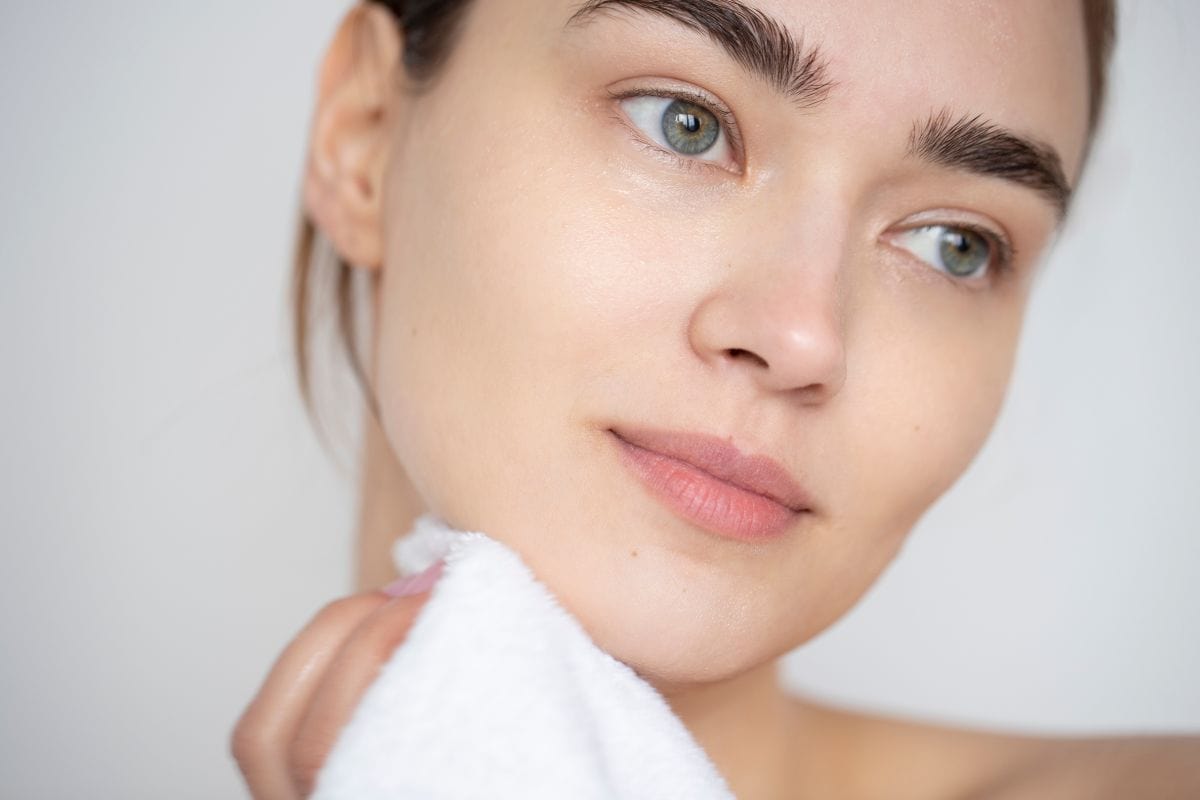
Stress is an inevitable part of modern life, but its impact extends far beyond your mind—it shows up on your skin. From sudden acne breakouts to flare ups of chronic skin conditions, the way stress affects your complexion is both visible and frustrating. This guide is designed for anyone experiencing increased stress levels and looking for practical ways to protect and improve their skin health.
Understanding how to maintain healthy skin during stressful times involves more than just applying the right products. It requires a holistic approach that addresses your skincare routine, lifestyle habits, nutrition, and stress management techniques. When you’re stressed out, your skin becomes more vulnerable to inflammation, breakouts, and premature ageing—but with the right strategies, you can maintain a radiant complexion even during life’s most challenging moments.
Understanding the stress-skin connection
When you experience stressful situations, your body launches a complex stress response that directly impacts your skin. The primary culprit is cortisol, a stress hormone that triggers a cascade of skin-damaging effects. As stress hormones flood your system, they increase inflammation throughout your body, weaken the skin barrier (your outermost protective layer), and compromise your immune system’s ability to defend against irritants and infections.
Chronic stress creates a vicious cycle for your skin. Elevated cortisol levels stimulate your sebaceous glands, leading to increased oil production that can clog pores and result in acne breakouts. At the same time, stress disrupts the epidermal barrier, making it harder for your skin to retain moisture and protect itself from environmental aggressors. This creates stressed out skin that’s both oilier and more dehydrated—a frustrating combination.
The damage goes deeper than surface-level concerns. Stress affects hair follicles, potentially triggering hair loss or thinning. It can worsen existing skin conditions like eczema, psoriasis, and rosacea, turning manageable issues into severe flare ups. The inflammatory response generated by psychological stress also accelerates the ageing process, breaking down collagen and elastin that keep your skin firm and youthful.
Understanding this connection is crucial because it reveals why traditional skincare alone isn’t enough. To maintain skin healthy during stressful times, you need to address both the external symptoms and the internal triggers.
Your stress-proof skin health routine
Building a skincare routine that supports your skin during high-stress periods requires a gentle, protective approach. Your stressed skin doesn’t need aggressive treatments—it needs nurturing care that strengthens its natural defenses.
Cleanse gently
Gentle cleansing is your first line of defense against irritated skin. When stress has compromised your skin barrier, harsh cleansers can strip away protective oils and worsen inflammation. Choose mild cleansers that are fragrance-free and pH-balanced, formulated specifically for sensitive or reactive skin.
Use warm water rather than hot water, which can further irritate stressed out skin and trigger more oil production. Cleanse twice daily—morning and evening—but avoid over-washing, which paradoxically can increase oil production as your skin tries to compensate for lost moisture. Pat your skin dry gently with a clean towel rather than rubbing, which can cause micro-irritation.
Hydrate and protect
Proper hydration is essential for maintaining the skin barrier and preventing stress-related damage. Look for moisturizers containing ceramides, hyaluronic acid, or glycerin—ingredients that help your skin retain moisture while supporting barrier repair. During stressful times, even oily skin types need adequate hydration to prevent the overproduction of sebum.
Sun protection is non-negotiable. UV rays compound stress-related skin damage, accelerate premature ageing, and increase the risk of skin cancer. Apply broad-spectrum SPF 30 or higher daily, regardless of weather conditions. Sun exposure during times of heightened stress can lead to increased pigmentation and slower healing of acne breakouts and other skin concerns.
Targeted treatments
When choosing active treatments, focus on ingredients that reduce inflammation and support skin health without causing additional irritation. Niacinamide helps regulate oil production and strengthen the skin barrier. Aloe vera provides soothing, anti-inflammatory benefits for stressed skin. Centella asiatica (also known as cica) promotes healing and calms redness.
Products designed specifically for sensitive or compromised skin can make a significant difference. For instance, choosing a moisturiser for sensitive skin with formulations containing aloe vera and panthenol work together to calm irritation while supporting barrier repair—Alomar’s Pure Aloe Vera Gel combines these ingredients for targeted relief of stressed out skin.
Avoid harsh actives like high-concentration retinoids or strong exfoliating acids during peak stress periods. These can overwhelm already sensitized skin and trigger more inflammation rather than improvement.

Lifestyle changes that reduce stress and show up on your skin
Your daily habits have a profound impact on how your skin responds to stress. Small, consistent changes can create visible improvements in your complexion and overall well being.
Enough sleep – your skin’s repair time
Getting enough sleep isn’t just about feeling rested—it’s when your skin does its most important repair work. During deep sleep, increased blood flow delivers oxygen and nutrients to skin cells, while growth hormones stimulate cellular regeneration. This is when your body works to reverse the damage caused by stress hormones and environmental exposure.
Aim for 7-8 hours of quality sleep each night. Create a sleep-friendly environment by keeping your bedroom cool and dark, and establish a consistent bedtime routine. Avoid screens for at least an hour before bed, as blue light can disrupt your natural sleep cycle and interfere with the restorative processes your skin needs.
Poor sleep creates a negative feedback loop: it raises cortisol levels, which leads to more inflammation, which can disrupt sleep further. Breaking this cycle is essential for maintaining healthy skin during stressful times.
Nutrition for resilient skin conditions
What you eat directly influences your skin’s ability to cope with stress and maintain its protective functions. An anti-inflammatory diet supports your skin’s natural defenses and helps counteract the effects of stress hormones.
Focus on foods rich in omega-3 fatty acids—found in fatty fish, walnuts, and flaxseeds—which actively reduce inflammation throughout your body. Colorful fruits and vegetables provide antioxidants that protect against oxidative stress and support collagen production. Vitamin C from citrus fruits, berries, and bell peppers is particularly important for skin repair and maintaining a radiant complexion.
Drinking plenty of water throughout the day helps your skin maintain hydration from within, supporting the moisture barrier and improving overall skin texture. Aim for at least 8 glasses daily, more if you exercise or live in a dry climate.
Minimize processed foods, excess sugar, and alcohol, all of which promote inflammation and can trigger acne breakouts. These foods can also interfere with your body’s ability to manage stress effectively, creating a double burden for your skin.
Movement and stress release
Regular exercise offers multiple benefits for skin health. Physical activity increases blood flow, delivering oxygen and nutrients to skin cells while carrying away waste products. This enhanced circulation gives your skin a natural glow and supports the healing process for existing skin issues.
Exercise also helps reduce stress by lowering cortisol levels and releasing endorphins—your body’s natural mood elevators. You don’t need intense workouts; even moderate activities like brisk walking, swimming, or dancing can provide significant positive effects for both your mental state and your complexion.
Choose activities you genuinely enjoy, as consistency matters more than intensity. The stress-reducing benefits of movement are cumulative, building over time to support healthier, more resilient skin.
Stress management techniques
Managing the root cause of stressed out skin—the stress itself—is essential for long-term improvement. Building a diverse toolkit of stress-relief strategies helps you respond effectively to different situations.
Deep breathing exercises can be done anywhere, anytime, and provide immediate relief. When you slow your breath, you activate your parasympathetic nervous system, signaling your body to reduce cortisol production and calm the inflammatory response.
Mindfulness practice helps you become aware of stress triggers and develop healthier responses. This doesn’t require hours of formal meditation—even five minutes of quiet reflection or focused breathing can make a difference in reducing stress levels.
Other effective techniques include journaling to process emotions, spending time in nature, engaging in creative hobbies, or connecting with supportive friends and family. The key is finding what works for you and making it a regular part of your routine rather than waiting until you’re overwhelmed.
Consider setting boundaries with technology and work demands. Constant connectivity often amplifies stress, making it harder for both your mind and your skin to recover. Creating space for genuine rest and self care is not indulgent—it’s essential for maintaining overall well being.

What to avoid when your skin is stressed
Knowing what not to do is just as important as knowing what to do. Certain habits and products can worsen stressed out skin and delay healing.
Avoid the temptation to overhaul your entire skincare routine when you’re experiencing skin concerns. Introducing multiple new products simultaneously makes it impossible to identify what helps or what might be causing additional irritation. Stick with gentle, proven basics during high-stress periods.
Don’t over-exfoliate, even if you’re dealing with acne breakouts. Aggressive scrubbing or using harsh exfoliants damages the already-compromised skin barrier and can worsen inflammation. If you exfoliate, limit it to once weekly with a gentle chemical exfoliant rather than abrasive physical scrubs.
Resist touching, picking, or squeezing your skin, particularly breakouts. This introduces bacteria, causes trauma to hair follicles, and can lead to scarring and prolonged healing times. The temporary satisfaction isn’t worth the lasting damage.
Lifestyle habits like smoking and excessive alcohol consumption severely impact skin health. Smoking restricts blood flow to the skin, depriving it of oxygen and nutrients while accelerating the ageing process. Both habits also increase inflammation and interfere with your body’s natural repair mechanisms.
Finally, don’t neglect professional care. While these strategies support healthy skin, certain skin conditions and persistent skin issues require evaluation by a board-certified dermatologist who can provide targeted treatments and rule out underlying health concerns.
When to see a dermatologist
Self-care and good skincare habits form the foundation of skin health, but sometimes professional intervention is necessary. Consult a dermatologist if you experience sudden, severe acne breakouts that don’t respond to over-the-counter treatments, or if existing skin conditions like eczema or psoriasis significantly worsen despite your best efforts.
Persistent redness, unusual rashes, or any changes in existing moles should be evaluated promptly to prevent skin cancer and other serious conditions. A dermatologist can also offer treatments like light therapy for certain inflammatory skin conditions, prescribe targeted medications, and develop a personalized plan based on your specific skin type and concerns.
Regular skin checks are important for everyone, particularly if you have a history of sun exposure or other risk factors. Early detection and prevention are always more effective than treating advanced problems.
Final tips
Maintaining healthy skin during stressful times requires patience and consistency. Your skin didn’t become stressed overnight, and it won’t heal overnight either. Focus on building sustainable habits rather than seeking quick fixes.
Prioritize the basics: gentle cleansing with mild products, adequate hydration both topically and internally, sun protection, enough sleep, and nutritious food. These fundamentals provide the foundation your skin needs to resist stress-related damage and maintain its protective barrier.
Remember that managing stress benefits far more than your complexion—it supports your immune system, improves overall well being, and enhances your quality of life. The strategies outlined here work synergistically, with each positive change reinforcing the others.
Be kind to yourself. Stress is often unavoidable, and occasional skin issues don’t mean you’re failing. By understanding the connection between stress and skin health and implementing these protective strategies, you’re taking meaningful steps toward a radiant complexion and better overall health, even during life’s most challenging moments.

